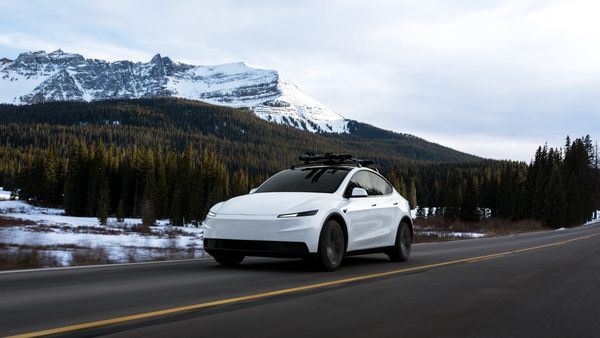
Model Y extensions are producing near-term strength, but they do not yet show Tesla can sustain a competitive broader lineup; the test is how seriously Tesla invests to defend its lead as competition intensifies.
BMW’s differentiation remains intact: exceptional balance supports strong demand, while driving pleasure keeps the lineup recognizably BMW. But pricing power remains unproven. Neue Klasse must preserve that character as shared technology and regulation make premium vehicles feel increasingly alike.
Tesla’s strategy and resource commitment are clearer than its business proof. The company has established a coherent path from cars to autonomy and robotics: its automotive base supplies capital, fleet data, software distribution, AI compute, and manufacturing capability; ending Model S and Model X and reallocating Fremont capacity to
With the Model S and X discontinued, Tesla is relying on extensions of the Model Y rather than new nameplates to keep its automotive core competitive. The strategy is producing near-term commercial strength, but it does not yet demonstrate broad execution in the post-invention phase: one model is
Tesla still appears to retain a tolerance premium, but it is thinner and more conditional than in the Model S and Model 3/Y breakthrough eras. Its removal of standard Autosteer to encourage FSD subscriptions shows that Tesla continues to reshape the customer bargain abruptly and on its own strategic
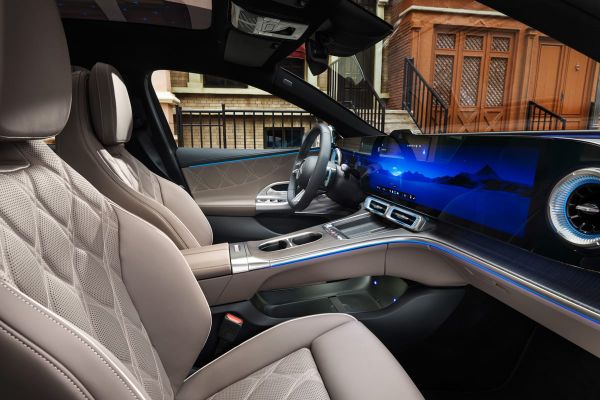
Can Mercedes remain aspirational in the market where local competitors—particularly EV/software brands—are eroding non-domestic premium advantage fastest?
Can Mercedes make technology feel like a new and lasting expression of Mercedes luxury—or will democratized technology and accelerating imitation make the brand more interchangeable?
Can Mercedes rebuild pricing power across its three-tier portfolio—protecting genuine luxury economics at the Top-End while sustaining profitable scale in Core and Entry Luxury without diluting the brand?
Can Genesis build enough balanced global scale and retailer throughput to sustain a consistent luxury experience, and make continued product and retail investment economically durable?