Trust and Customer Contract
Can Tesla preserve the tolerance premium that lets it move faster and ask more of customers than a conventional automaker?

Can Tesla preserve the tolerance premium that lets it move faster and ask more of customers than a conventional automaker?
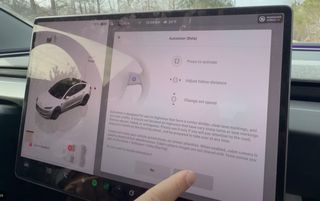
Tesla still appears to retain a tolerance premium, but it is thinner and more conditional than in the Model S and Model 3/Y breakthrough eras. Its removal of standard Autosteer to encourage FSD subscriptions shows that Tesla continues to reshape the customer bargain abruptly and on its own strategic timetable. Recent Model Y strength and apparent loyalty recovery suggest customers have not withdrawn that permission wholesale, though those results do not isolate how much came from product renewal and pricing versus Musk’s reduced political visibility.
The premium now appears less rooted in broad goodwill or belief in the mission and more dependent on present-tense product strength, pricing, charging, and autonomy progress. The unresolved test is whether Tesla can keep asking customers to absorb friction as its priorities shift toward autonomy and AI without exhausting that tolerance.
Digitalization, electrification, and regulation are making premium vehicles feel more alike and making brand character harder to keep legible in the product.
Frustrated customers are a strategy cost
Earlier failed or delayed promises haven’t hurt Tesla—this miss involves hardware, making it worth watching