Technology as New Mercedes-ness
Can Mercedes make technology feel like a new and lasting expression of Mercedes luxury—or will democratized technology and accelerating imitation make the brand more interchangeable?

Can Mercedes make technology feel like a new and lasting expression of Mercedes luxury—or will democratized technology and accelerating imitation make the brand more interchangeable?
Mercedes’ technology strategy is producing more credible products, but not yet a proven cross-market advantage.
Reviews of the C400 EV and electric GLC show the post-EQ direction reintegrating electrification and software with recognizable Mercedes virtues—comfort, refinement, materials, usable controls, and conventional luxury cues. Q2 BEV growth and European orders confirm early commercial support.
The situation in China is very different. The CLA L combined MMA, MB.OS, Momenta driver assistance, and long-wheelbase localization, yet failed its first market test. Bloomberg’s shopper accounts now point directly to automated-driving software, slow voice response, an old-fashioned interface, and dashboard design; one buyer chose a more expensive Model 3. These accounts are anecdotal and still do not isolate technology from body style, brand momentum, channel, or competition, but they support the existence of a technology gap. Stronger technology and localization have not yet produced differentiated commercial value there.
The current answer is mixed: technology is increasingly feeling Mercedes-like, especially in Europe, while durability, pricing power, and cross-market relevance remain unproven. The electric GLC L is the next test of whether that product direction can translate into demand in China.
Digitalization, electrification, and regulation are making premium vehicles feel more alike and making brand character harder to keep legible in the product.

Mercedes’ new BEVs are gaining traction in Europe, but weak economics and a failed first China test of its next-generation BEVs leave management more confident in its strategy than the results support
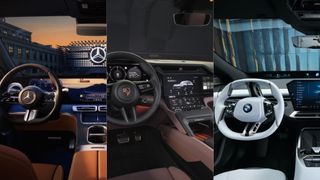
Clean-sheet designs let BMW, Mercedes, and Porsche show what more fully realized digital interiors look like
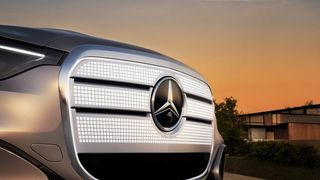
The grille, the Hyperscreen, and the shifting sources of distinctiveness
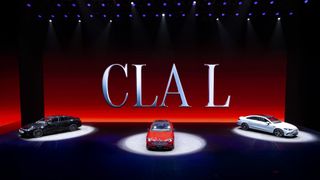
Shoppers who passed on the CLA L cite driver assistance, interface, and space, suggesting Mercedes’ China problem reaches beyond price
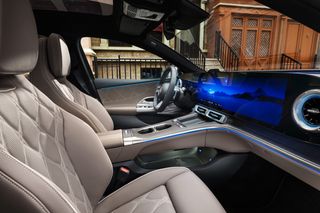
The electric C-Class wins back what makes a Mercedes look like a Mercedes and gives up some of what makes one feel like a Mercedes