Automotive Execution
After the Model S invention wave and Model 3/Y scale wave, can Tesla keep the car product compelling in an execution phase it no longer monopolizes?

After the Model S invention wave and Model 3/Y scale wave, can Tesla keep the car product compelling in an execution phase it no longer monopolizes?
With the Model S and X discontinued, Tesla is relying on extensions of the Model Y rather than new nameplates to keep its automotive core competitive. The strategy is producing near-term commercial strength, but it does not yet demonstrate broad execution in the post-invention phase: one model is carrying the brand, aided by a recovery in customer sentiment that product alone cannot explain. Whether that strength lasts will depend both on the incoming competition and on how seriously Tesla invests in defending its automotive lead.
Digitalization, electrification, and regulation are making premium vehicles feel more alike and making brand character harder to keep legible in the product.
Invention and execution are different frontiers—with different leaders
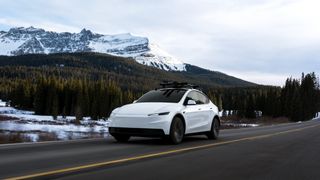
Tesla still leads the EV market in the U.S. and brand loyalty seems to have recovered, but Tesla’s car business is increasingly reliant on Model Y
Tesla fills the three-row seating gap—but not the flagship role—left by the Model X with a long wheelbase model it’s been selling in China and other markets