Volvo EX60 Hammers It Home
Have compact luxury electric SUVs reached the point of no compromise?
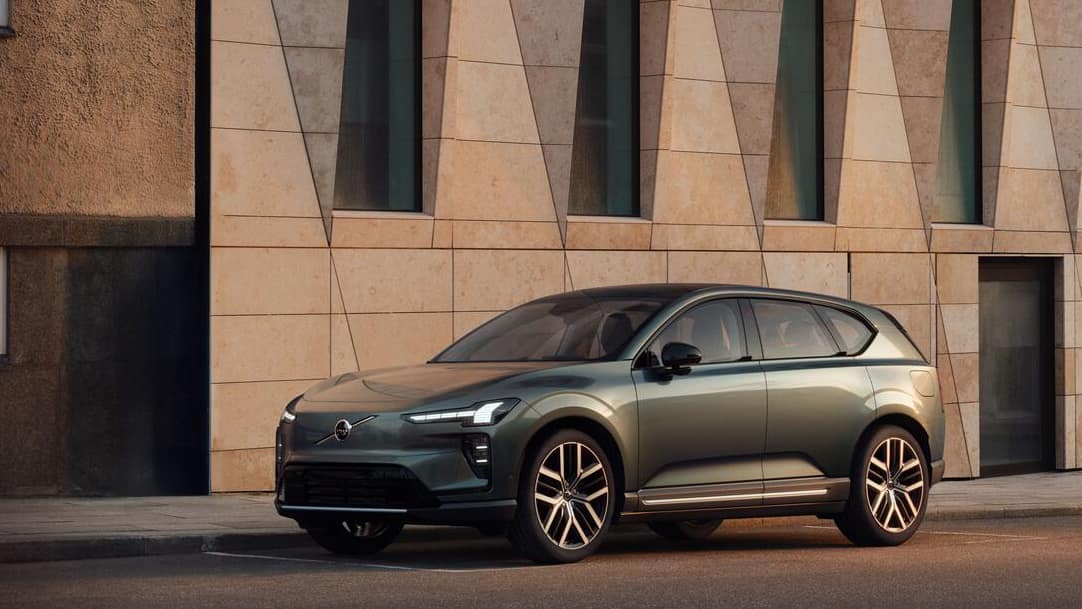
Volvo introduced its new EX60 EV (press release, global reveal video), complete with signature “Hammer of Thor” headlights.
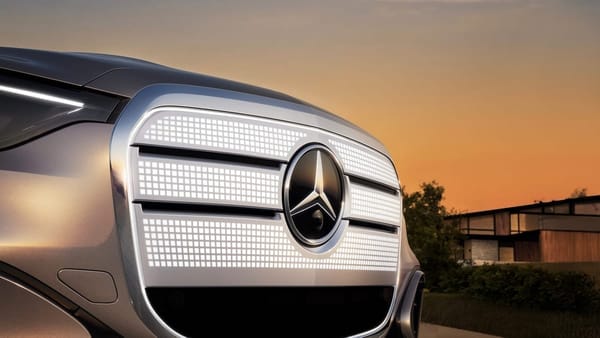
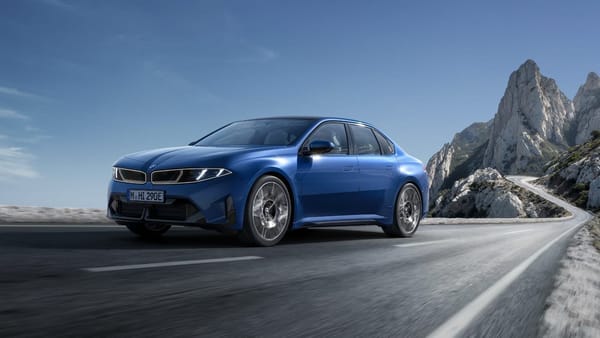
The EX60 lands in the critical compact SUV segment alongside the recently introduced 2027 BMW iX3 and 2027 Mercedes-Benz GLC EV, as well as the Audi Q6 e-tron and Porsche Macan Electric models.
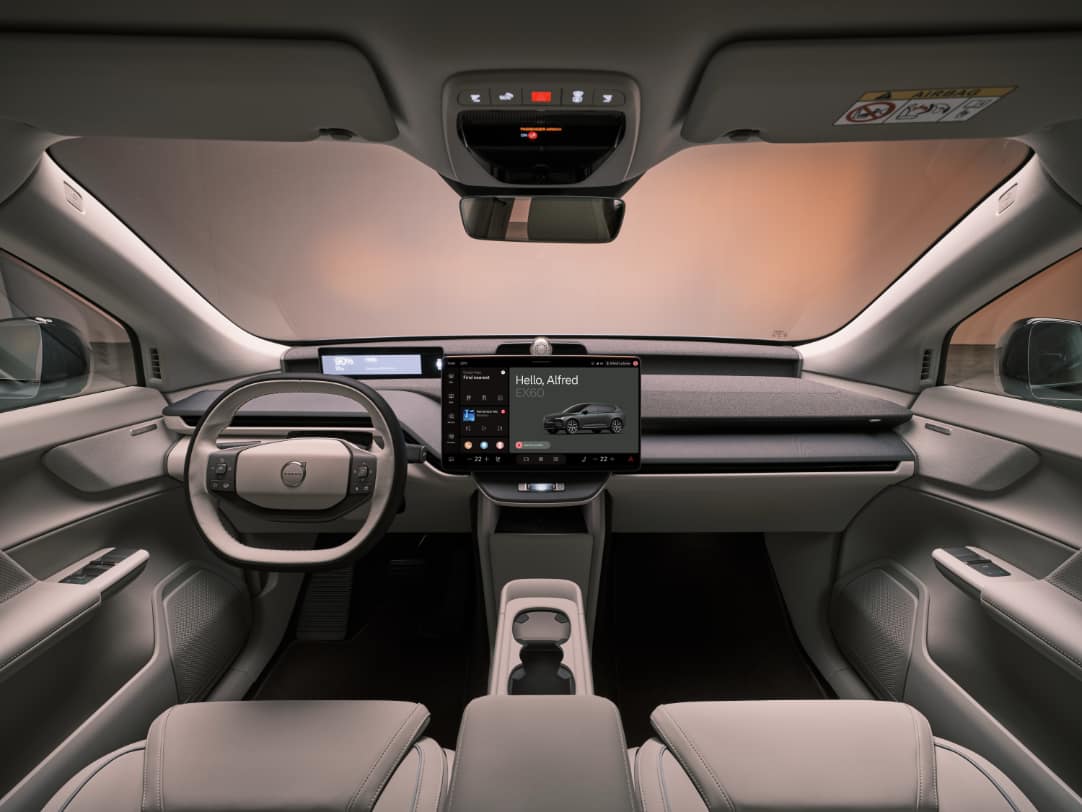
These cars show where each of their brands will be going with the rest of their lineups in the coming years—the go-forward electric-vehicle architectures, software platforms, interior designs, and in-car technologies and user experiences.
Volvo isn’t holding back: “With this car, we remove all remaining obstacles for going electric,” Volvo CEO Håkan Samuelsson says. To Volvo, the first obstacle is range. The release boasts up to 810 km, and the US model page promises 400 miles (best-case numbers, of course)—figures Volvo says beat its recently revealed competitors (see list above).
Second, “no compromises” for Volvo means charging: Volvo claims the EX60 can add 340 km of range in 10 minutes on a 400 kW fast charger (note that this infrastructure remains scarce in many markets). Finally, Samuelsson indicated in the reveal video that the price will be in line with XC60 PHEV models (in the US, this would mean a range of around $55,000 to about $70,000).
Enabling the EX60’s performance are in-house electric motors, lithium-ion battery packs ranging from 83 kWh to 117 kWh (depending on trim), and a next-generation 800-volt electrical architecture with a Tesla-originated NACS plug. The powertrain and electrical architecture run on top of Volvo’s new SPA3 EV hardware platform.
SPA3 combines megacasting—reducing many parts into single large castings to simplify manufacturing—and “cell-to-body” structural battery packs that require less space, reduce weight, and enable 31 percent faster charging.
Sitting above SPA3 is HuginCore, Volvo’s in-house system powering infotainment, driver-assist, and other functions. It combines Volvo’s in-house development with hardware and software components from platform suppliers including Google, NVIDIA, and Qualcomm. Volvo is leveraging both Android Automotive and the Gemini AI Assistant.
Volvo also mentioned a new purchasing experience that promises buyers “transparency on price, clarity on what content they get in the car, and a precise estimated delivery time.” Volvo seems to be moving toward fixed-spec trims to simplify production and reduce lead times, similar to Tesla’s approach.
The EX60 must prove Volvo can deliver a mainstream EV without the tradeoffs of first-generation cars and without a repeat of the rocky early days of the EX90, its flagship EV. Getting the EX90 to stability required a multitude of over-the-air updates to address fundamentals and ultimately required hardware upgrades to the central computer and a move to an 800-volt electrical architecture (Volvo says it is applying these upgrades retroactively to early customer cars). Initial EX90 customers paid a heavy early adopter price; Volvo needs to ensure EX60 customers do not.
The EX60 and its peers look like a maturation point. Range and charging are materially improved, interiors feel more intentional than experimental, and software platforms are moving beyond the Frankenstein stage. The bets are getting bolder, too—AI assistants among them.
If the products deliver as promised, the market will start answering a simple question over the next year: have these EVs reached the point of no compromise—or will the remaining compromises shift from range and charging to software, UX, and real-world ownership friction?