The Disappointing New Honda Prelude
Pressing too hard on nostalgia—and not hard enough on power
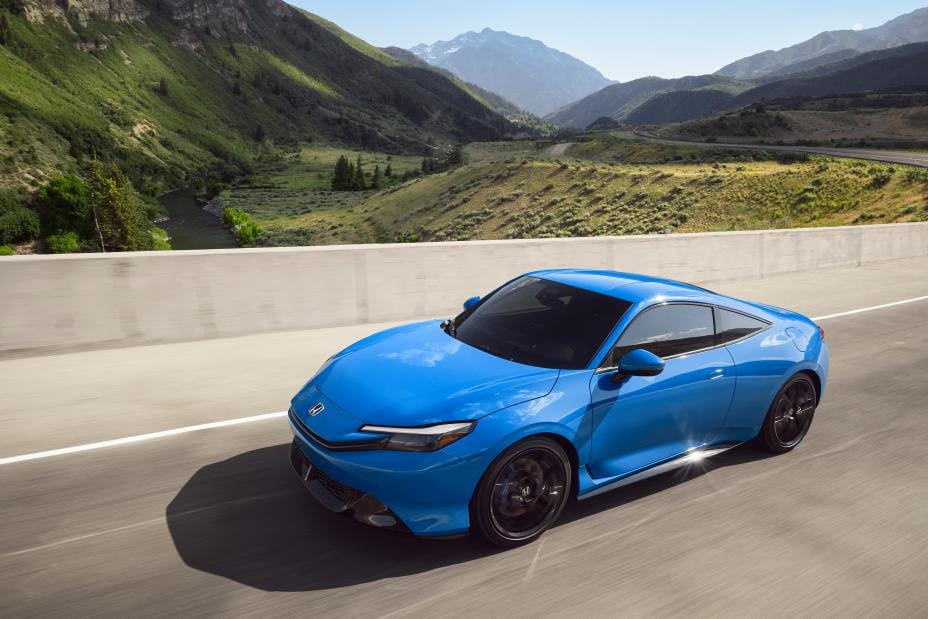
Doug DeMuro’s punch-drunk incredulity at the new Prelude’s pricing and design choices is an entertaining reality check on this model.
The Prelude, last seen in the 2001 model year, was a beloved nameplate: a stylish, slightly-upmarket sports coupe with real engineering flex across its run (4WS in the late ’80s; ATTS in the late-’90s Type SH era), decent power for its time (200 hp with a manual in 2001), and a reasonable price tag.
The new model has some notable engineering—Type R–style dual-axis front struts and Brembo brakes—but it falls down on power and pricing.
This Prelude has 200 hp—the same as the Civic Hybrid it’s based on and the Prelude from 25 years ago. Honda’s pitch is that S+ Shift and the chassis bits make the hybrid coupe feel special. But these aren’t enough to shake the feeling the Prelude is too close to the Civic Hybrid while priced at about $13K more.
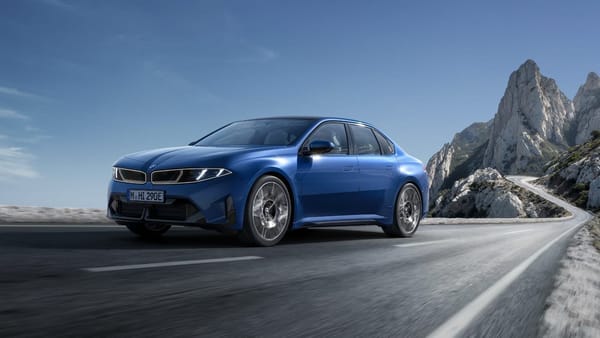
It’s also too far from its logical competitive set: the cheaper Toyota GR86/Subaru BRZ (228 hp) and same-money cars with far more power, like the Nissan Z (400 hp). Most troublingly, the Prelude, as Doug points out, costs within a few hundred bucks of the BMW 230i—a BMW with 55 hp more.
The Type R engine (or equivalent power) would make it a more defensible successor to the Prelude legacy—and more competitive. Honda could instead just make it cheaper, as Doug suggests—but at that point it would be harder to argue the car is reviving the Prelude, rather than launching a new coupe that happens to wear the badge. At least it would be a decent value.
So, in many ways, this feels like Honda—a great brand—greedily squeezing everything it can out of a storied nameplate while triggering dealer shenanigans that play off Prelude nostalgia.
Yet it could be the original vision for this new Prelude didn’t survive the long journey from drawing board to showroom. Was a more powerful engine—maybe an upgraded hybrid—part of the initial plan? Was it going to be an EV? Did it start in another form—maybe a fancy Civic—and then through corporate machinations and a trip through the retired nameplates list morph into a new Prelude?
That might explain the striking contradictions. Why pair Type R front suspension bits and brakes—designed for high-powered sports cars—with the Civic Hybrid’s comparatively tame engine? If the counterpoint to complaints about the power and price is that it’s designed as a sports-luxury or GT coupe and not an edgy sports car, why even bother with the Type R components? Why are so many missing features for the price point, and why doesn’t the rear upholstery quality match that of the front seats?
Regardless of why the Prelude came together the way it did, Honda chose to launch the car Doug and other reviewers are grading today. The market will decide if it’s worth the sticker price.