Luxury Economics and Portfolio Discipline
Can Mercedes rebuild pricing power across its three-tier portfolio—protecting genuine luxury economics at the Top-End while sustaining profitable scale in Core and Entry Luxury without diluting the brand?

Can Mercedes rebuild pricing power across its three-tier portfolio—protecting genuine luxury economics at the Top-End while sustaining profitable scale in Core and Entry Luxury without diluting the brand?
Mercedes has not yet shown that it can rebuild pricing power. In Q2, Cars adjusted return on sales fell to 4%; average selling price declined, net pricing was negative, and Top-End volume fell 10%. Fixed-cost reductions and lower R&D spending cushioned the result, but efficiency is preserving time for the product cycle rather than demonstrating renewed luxury economics.
The three-tier portfolio remains the right analytical frame because each tier has a different economic job. Top-End must sustain exceptional pricing power; Core must earn disciplined premium pricing at scale; and Entry Luxury must bring customers into the brand without requiring discount-led volume or diluting the proposition.
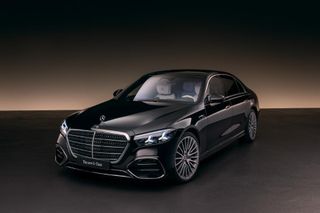
Q2 did not show the portfolio as a whole supplying the needed mix or pricing support. Planned model changes—including the S-Class in China—and the phased launch of new Top-End products prevent a clean Q2 verdict on the segment, while the CLA L’s China result raises an early question about whether Mercedes’ elevated Entry positioning can attract demand at sustainable pricing.
The next proof is whether the new product cycle can support price as well as demand: stronger Top-End mix and pricing in Q4, and Core models that can hold near-list price without incentives. Until then, Mercedes’ cost program is cushioning the economics.
What a premium car costs to build, how it is sold, and what it earns after the sale are all in play at once.

Mercedes’ new BEVs are gaining traction in Europe, but weak economics and a failed first China test of its next-generation BEVs leave management more confident in its strategy than the results support
An update that matters more than it looks
The substantial refresh should keep the GLE competitive, but it's an early tell in the larger question of whether Mercedes competes directly on product or increasingly leans on its luxury positioning