Luxury Claim
Can Genesis turn distinctive design, product character, and Korean hospitality into a coherent luxury identity that compounds across product cycles and earns durable loyalty and pricing power beyond individual product wins?

Can Genesis turn distinctive design, product character, and Korean hospitality into a coherent luxury identity that compounds across product cycles and earns durable loyalty and pricing power beyond individual product wins?
Genesis has established a credible luxury proposition, but not yet a self-reinforcing brand system. Its design language, interiors, product quality, and Korean hospitality have created meaningful demand and an identity recognizably separate from Hyundai and competitors. Yet the brand’s resilience remains heavily product-dependent: Korea weakened as the lineup aged and customers moved toward powertrains Genesis largely lacked, while U.S. growth remains concentrated in the GV70 and GV80. Genesis has earned product legitimacy; it has not yet proved that its identity can sustain loyalty and pricing power through a slower product cycle.
The next portfolio cycle is the principal live test. The GV90 is an early positive signal: the Neolun variant carries defining concept features into production, while the lineup uses an eMP platform Genesis says is exclusive to the flagship. Other programs—hybrids, broader electrified coverage, halo and ultra-bespoke products, and a future multi-energy architecture integrated with Hyundai’s CODA software system—must show that this character can become coherent and repeatable across body styles and powertrains. The architecture’s value is whether it supports timely renewal while giving Genesis products distinctive dynamics, packaging, and software.
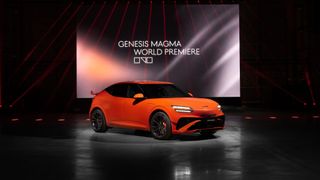
Dedicated retail must make that identity tangible through sales, service, and ownership. Magma can add an emotional and performance dimension, but it should also deepen character already perceivable in the core range.
The Luxury Claim strengthens if the next launches arrive on time, restore Korean demand, broaden U.S. growth beyond two SUVs, lift the desirability of the range together, and earn repeat demand and pricing power.
Digitalization, electrification, and regulation are making premium vehicles feel more alike and making brand character harder to keep legible in the product.
Genesis has reached meaningful scale—now its products, retail network, and ownership experience have to reinforce one another

Genesis continues taking cues from ultra-luxury, giving the GV90 coach doors and a VIP rear-seat experience while imbuing it with Korean home-market character