Rivian and Genesis Push the Extremes
Different ways young brands are building an enthusiast edge
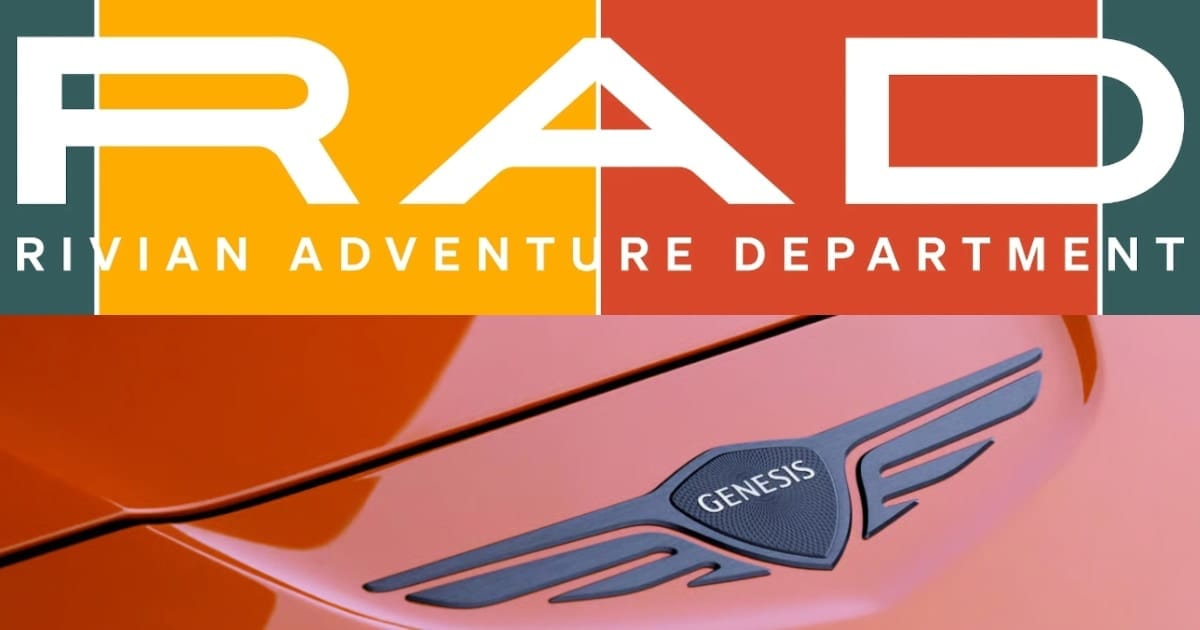
Truly new car brands with global ambitions are still rare. New sub-brands—or at least sub-brand-like efforts—from young car brands are rarer still. Rivian’s recent RAD announcement made me think again about Genesis Magma, which has been percolating for more than a year now. These two young brands are taking very different approaches to building an enthusiast edge.
Both Rivian and Genesis are tapping into a familiar playbook: using their most enthusiastic customers the way brands like Jeep, BMW, and Mercedes long have—to drive profit, deepen loyalty, create a halo, and feed insights back into the product.
Rivian recently announced RAD, the Rivian Adventure Department—a new team focused on pushing the boundaries of its vehicles.
From the announcement:
RAD is a team of Rivian designers, engineers, and adventure enthusiasts who spend their days and nights exploring the limits of what a Rivian can do.
They have one mission: finding the next level of what’s possible with our vehicles, bridging between where we find the extremes and the features that end up in your driveway.
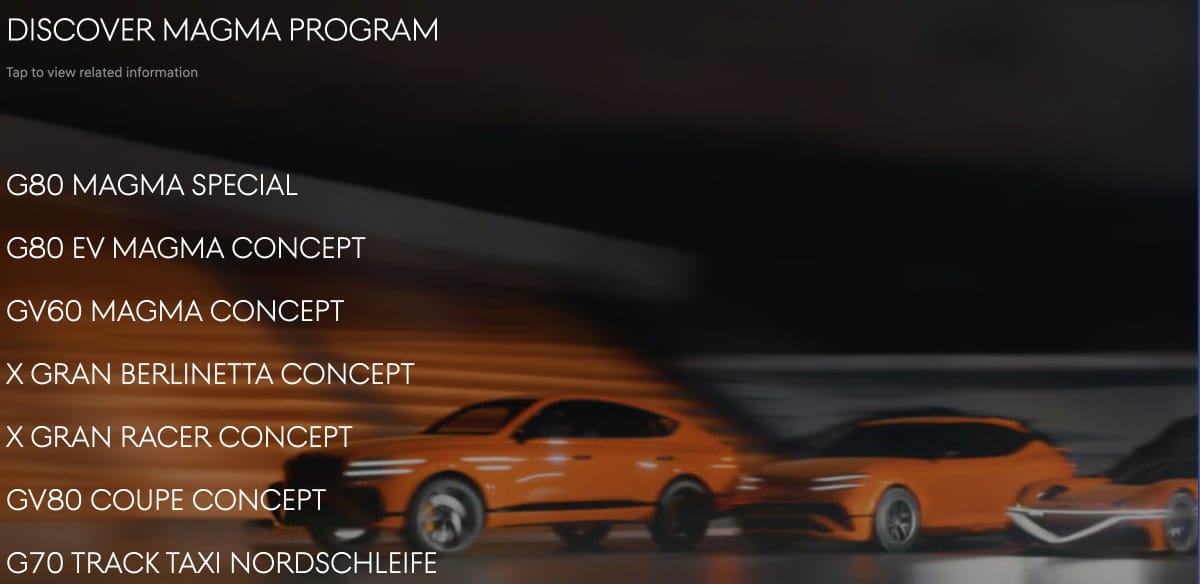
Genesis, another young brand, is launching a series of Magma variants of its existing models. Magma’s purpose is to turn Genesis into a "luxury high-performance brand”.
One of these feels like a brand formalizing an enthusiast culture it already has; the other like a brand deliberately building one. That difference reflects both who these brands already are and where they started.
What also stands out is how quickly both are doing it—building capability and brand far faster than has historically been possible.
Origins
Rivian and Genesis are both new brands, but they started from very different places.
Rivian, founded in 2009, is a truly new entrant. After early iterations, it settled on an EV-first strategy and, just as importantly, an identity centered on adventure.
Rivian founder and CEO RJ Scaringe shared how Rivian’s brand formed in a December 2025 Stratechery interview:
We recognized that in order for us to earn the right to exist, we needed to do something that was unique and could stand on its own…
Once Rivian settled on adventure, it translated that idea into the products themselves: EVs designed not just to be electric, but to support adventure-oriented use while still fitting family life and everyday needs.
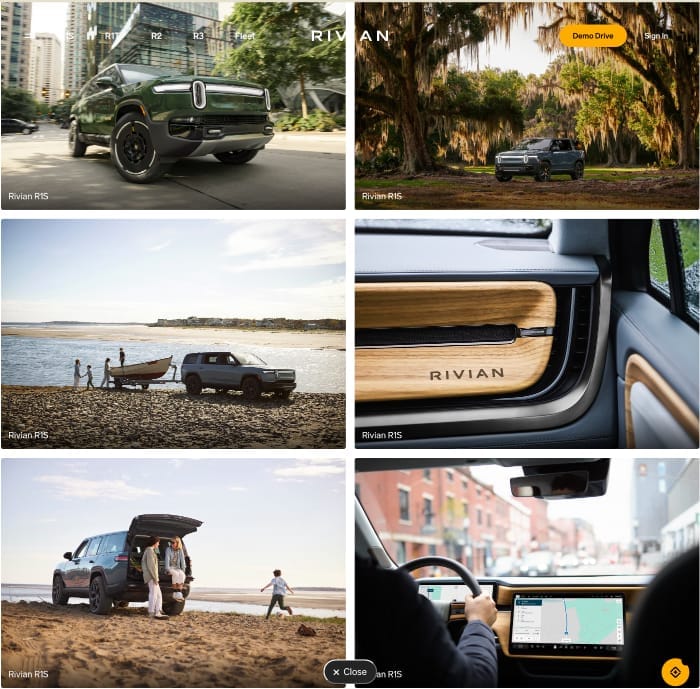
Rivian did not invent adventure as a car-brand theme. Jeep, Land Rover/Defender, and Subaru have long sold versions of that promise. What’s distinctive about Rivian is the combination: it fuses that adventure ethos with an EV-native architecture, a sustainability mission, and a more software-centered view of capability and owner engagement.
As a true new entrant, Rivian had to build a distinct identity quickly enough to get attention and survive. Genesis, on the other hand, grew from high-end Hyundai models and became a standalone luxury brand in 2015. In many ways, Genesis represented Hyundai turning the page to the next chapter of the global auto-industry playbook. Like Lexus for Toyota in 1989, establishing the Genesis luxury brand signaled Hyundai had arrived.
While Genesis is young, it benefits from Hyundai Motor Group’s infrastructure and credibility. From day one, Genesis was built on decades of Hyundai Motor Group scale and industrial competence—manufacturing depth, supplier leverage, and a high level of vertical integration (down to areas like steel). Given its relationship to Hyundai, Genesis’s brand-building choices have never been existential in quite the way Rivian’s are.
Genesis has differentiated itself in the luxury space through its “Athletic Elegance” design language and its “Beauty of White Space” interior approach, which draw on Korean design principles and emphasize a balance of elegance and athleticism.
Genesis, in its 2020 reveal of the second-generation G80 sedan:
"The Genesis design DNA begins from the logo itself," said Luc Donckerwolke, Executive Vice President, Chief Design Officer of Hyundai Motor Group. "The crest of the logo becomes the Crest Grille and the two lines of the wings become the Quadlamps. In other words, the design starts with the brand, and design is the brand."
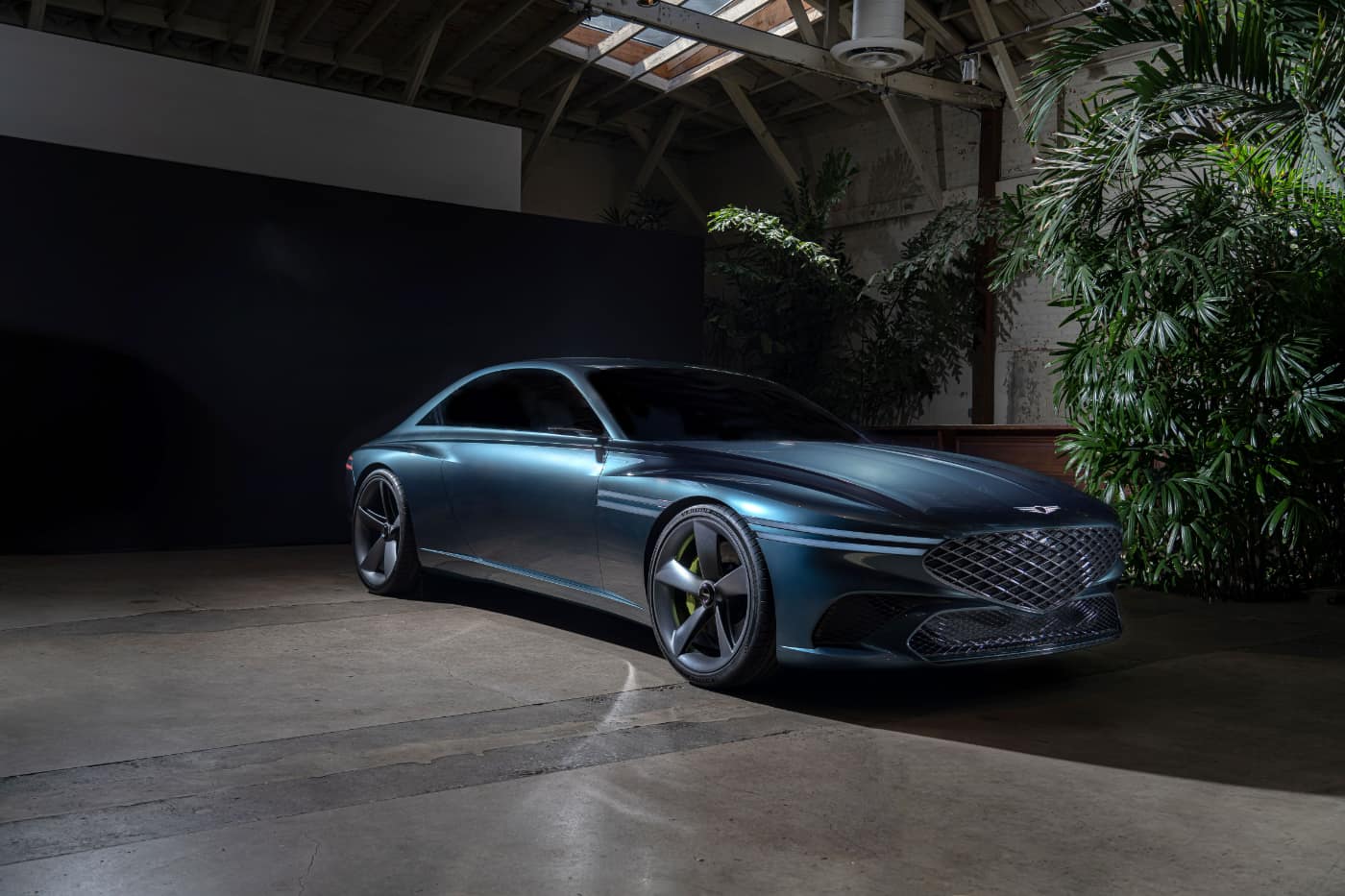
One brand is a comparatively scrappy startup; the other the offspring of a large and well-respected incumbent automaker. It follows that their enthusiast pushes feel different too: Rivian’s like an extension of a brand it has already built, Genesis’s like a deliberate effort to add another necessary dimension to its own.
RAD, Magma, and Heritage
Both of these young brands are trying to build the kind of heritage that established performance marques like BMW, Mercedes, and Porsche already possess. Heritage matters because it connects customers to something deeper than product attributes or a single model cycle: continuity, identity, and a sense of belonging. Once that emotional connection exists, it becomes a strategic asset—giving the brand more permission to push upward, charge more, and have its most ambitious products be taken seriously.
RAD is the formal name Rivian has given to a skunkworks team shaped by efforts including the company’s 2023 Rebelle Rally win and record-breaking runs at the Pikes Peak International Hill Climb, with those experiences feeding back into product development.
The first RAD-branded product going to customers is a software feature Rivian is calling RAD Tuner, which allows Gen 2 Quad owners to create their own drive modes by adjusting power output, torque bias, stability control, and brake regeneration.
While some observers expect RAD to grow into a fuller division or sub-brand, at this point Rivian hasn’t announced anything to that effect, calling it a “department”, which feels less like a formal classification and more like a fun name.
RAD also isn’t a special trim line or upgrade package—other than it currently requiring a newer Gen 2 Quad (top-of-the-line) model.
RAD is clearly aimed at Rivian’s most enthusiastic users—partly by nudging some buyers toward the most expensive Quad models, but more importantly by creating a feedback loop around distinctive capabilities that deepen loyalty.
At the same time, Rivian explicitly opens its enthusiast tent to all:
You don’t have to be an expert or experienced adventurer. If you have the heart to try and will to keep going, we invite you to come along.
Rivian’s introduction of RAD has a grassroots feel. The company presents it not as a top-down invention, but as a skunkworks effort that has matured enough to earn both a formal name and customer-facing products.
Genesis, on the other hand, reached the end of its first decade in 2025 and explicitly declared its intent for the second in a press release titled Genesis Embarks on a New Decade with Luxury High Performance.
Genesis built design identity and luxury credibility over its first 10 years; Magma adds a more explicit enthusiast and performance layer. It comes across more like a traditional luxury-performance sub-brand effort, in the vein of BMW M or Mercedes-AMG. While Genesis insists Magma will not be a sub-brand—it’s labeled as a program on their website—it seems to believe this step is necessary for its credibility (emphasis mine):
Genesis also revealed its vision to solidify its position as a true luxury brand by embodying the concept of Luxury High Performance, a seamless fusion of refined elegance and superior performance.
Genesis’s launch wording works to distinguish itself from the usual suspects not named in the release but understood to be BMW (M), Mercedes (AMG), and other luxury brands (and sub-brands):
Genesis defines Luxury High Performance as distinct from the conventional approaches to performance centered on horsepower or speed. At its core, this vision blends the true essence of luxury — defined by refined elegance and elevated experiences — with seamless, effortless performance that enhances every aspect of the driving journey.
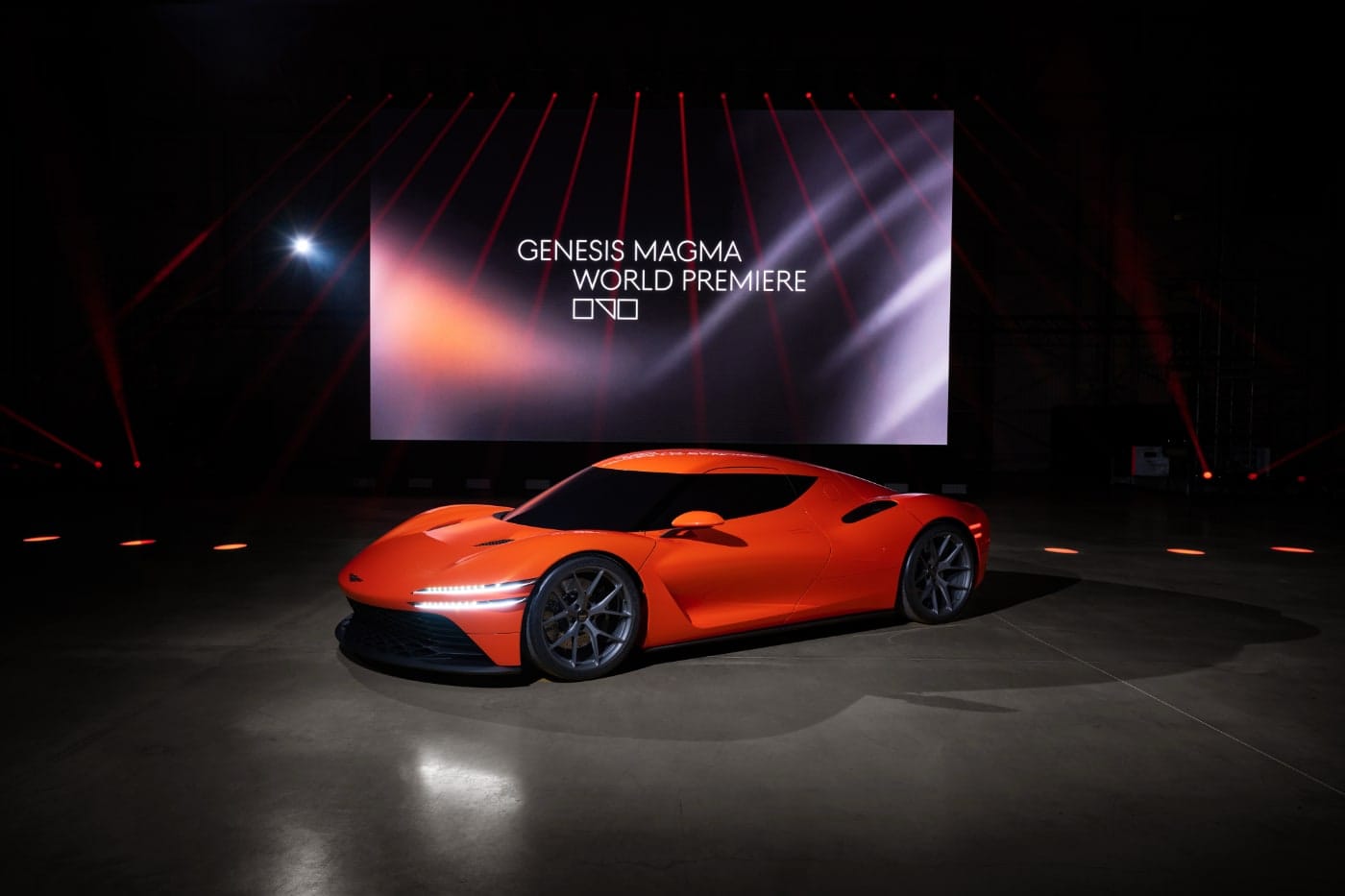
Genesis’s Magma push is not just aesthetic or rhetorical. Alongside Magma, Genesis has announced and steadily evolved an endurance-racing program and unveiled the Magma GT halo sports car concept. For a young luxury brand without decades of performance history, these are ways to start building the kind of heritage incumbent performance brands already enjoy.
Channeling vs. Building
So far, RAD looks more like a software- and capability-led effort than a conventional trim hierarchy, even if some observers suspect it could grow into more in the near future. Magma, by contrast, is already being positioned as a visible lineup-wide performance program, beginning with the GV60 Magma that will launch later in 2026.
Notably, neither effort has been framed as a fully separate sub-brand in the BMW M or Mercedes-AMG mold. This likely reflects both different goals and a different era: today’s brands can create halo, hierarchy, and enthusiast engagement without necessarily building a full brand-within-a-brand. This era is also faster-moving and less mechanical, so performance can increasingly be delivered through software and feature packages. RAD Tuner, as RAD’s first customer-facing output, is a clear example.
Rivian did not wait for enthusiast energy to emerge around its vehicles. From early on, it built a brand and ownership experience likely to attract exactly that kind of engagement. That enthusiast culture is now visible everywhere: owner clubs, large forums and subreddits, Rivian-only news sites, and software-tracking tools that treat over-the-air updates almost like product launches. RAD gives Rivian a way to channel that energy more directly back into the brand.
Magma feels less like a harnessing of enthusiast demand than a deliberate effort to strengthen Genesis’s position as a luxury brand alongside its competitors. Genesis has been aggressive and disciplined: barely into its second decade, it has introduced Magma, unveiled multiple related concepts, prepared its first production Magma model for launch, and assembled a racing program that will begin competing in 2026. It is sending a clear signal, and the automotive press is following Magma’s evolution in real time. Genesis is building an enthusiast edge in public and at speed.
Both Rivian and Genesis are trying to make the enthusiast-facing edge of their brands more explicit. What’s striking is not just the difference between them, but the pace: both have built credible products, distinct brands, and a growing enthusiast following far faster than older marques typically did. Rivian and Genesis are operating in a different era—one in which software, media, and faster product cycles make it easier to formalize an enthusiast edge and move more quickly toward legitimacy, attachment, and, eventually, the kind of heritage that once took decades to build.