Neue Klasse Bet
Can Neue Klasse deliver class-leading EVs and target-level margins while strengthening BMW's broader multi-energy portfolio?

Can Neue Klasse deliver class-leading EVs and target-level margins while strengthening BMW's broader multi-energy portfolio?
Neue Klasse's product case is strengthening and its portfolio-transfer plan is taking shape, but BMW has yet to show that it can sustain software quality over the vehicle lifecycle or deliver target-level margins at scale.
The early product evidence is encouraging, but not yet proof of a class-leading product. BMW says iX3 orders are approaching 100,000 and the i3 is seeing strong demand. BMW's European BEV deliveries rose 37.9% in Q2; BMW presents the iX3 as a contributor, although disclosed data do not isolate its share of the increase.
BMW's 3.6% first-half Automotive EBIT margin and reduced 1–3% full-year guidance do not show that Neue Klasse economics have failed: China, tariffs, currencies, commodities, mix, and transition costs overlap. Although R&D expenditure is declining, previously capitalized Neue Klasse investment is increasingly reaching the income statement through depreciation and amortization; the system must scale fast enough for contribution gains to outrun that burden.
What a premium car costs to build, how it is sold, and what it earns after the sale are all in play at once.
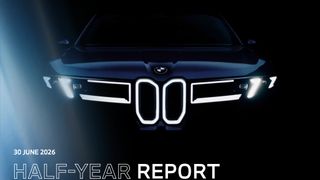
BMW’s product strategy is holding, but deteriorating economics have prompted management to pursue a faster, more responsive operating model
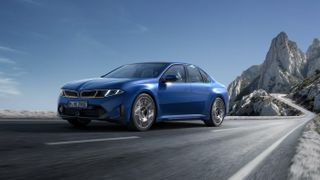
The new i3 arrives as the next step in an already-working formula

An example of BMW’s model for improving its Neue Klasse vehicles post-sale and spreading the technology across the broader lineup

BMW has not quantified what it says is strong i3 demand, but its claimed factory cost reduction is a positive signal for the Neue Klasse system
The first independent real-world testing result for Neue Klasse provides credible evidence of frontier-level EV competitiveness—at least in favorable summer conditions