BMW Makes the 3 Series Transition Look Easy
The new i3 arrives as the next step in an already-working formula
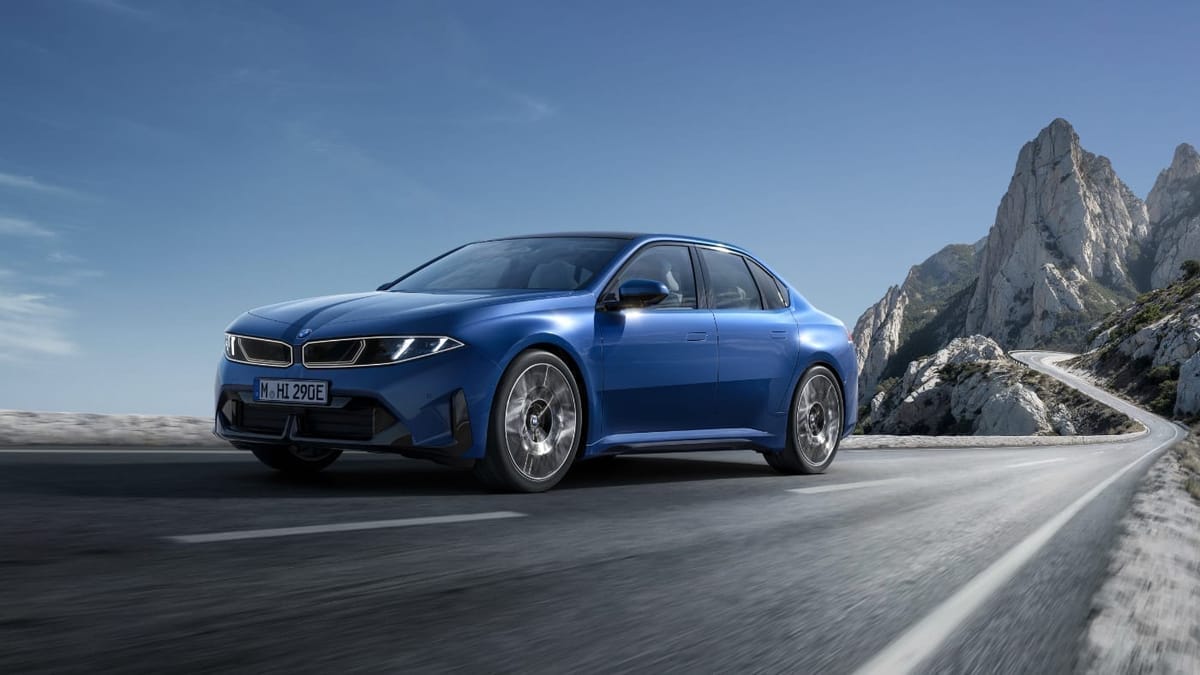
BMW introduced the i3, the EV version of the eighth generation 3 Series.
The 3 Series and companion 4 Series—sharing the same core architecture while differing mainly in form and positioning—are a bit of an enigma in today’s market: compact luxury sedans plus a smaller number of two-door coupes that remain popular.
That is partly because the 3 Series is a storied, well-respected line (the 4 Series arrived later and inherited this goodwill), but even more because BMW has consistently invested in the full franchise. It has kept the 3/4 internal combustion models relevant while providing a compelling EV variant, the i4, that channels the originals’ successful attributes and driving experience. In parallel, BMW continues to treat the 3 Series as a pillar of its brand story.
The i3 and other upcoming 3 Series models, then, with all their significant design and technology innovations, end up feeling like “just another” new model introduction. This is not to minimize what BMW is doing, but rather is an acknowledgement that BMW is making multiple hard things look easy at once.
Still a Pillar
The BMW 3/4 Series was BMW’s top global model series in 2025. It ranked third in the U.S. and has been in the top three for the past five years. Beyond being a critical volume line, it is also a historical halo for BMW and an on-ramp to the brand for many buyers.
The other lines in the U.S. top three are SUVs—the X3/X4 and X5/X6 have traded first and second place the last couple years. The leaders are largely consistent globally, though worldwide the X1/X2 SUV line and 5/6 Series sedan line both outsell X5/X6.
While sedans are more broadly in decline, particularly in the U.S., 2025 3/4 Series U.S. sales were effectively flat compared to 2021—respectable in today’s market—and appear to have settled into the roughly 72,000-unit range.
BMW has maintained a meaningful lead over its most direct competitors. The Audi A4/A5 line, which already trailed the 3/4 Series historically, weakened sharply through the A4-to-A5 transition, while the Mercedes-Benz C-Class fell to below 20,000 U.S. sales in 2025 from over 35,000 in 2021.
Fresh and Electric
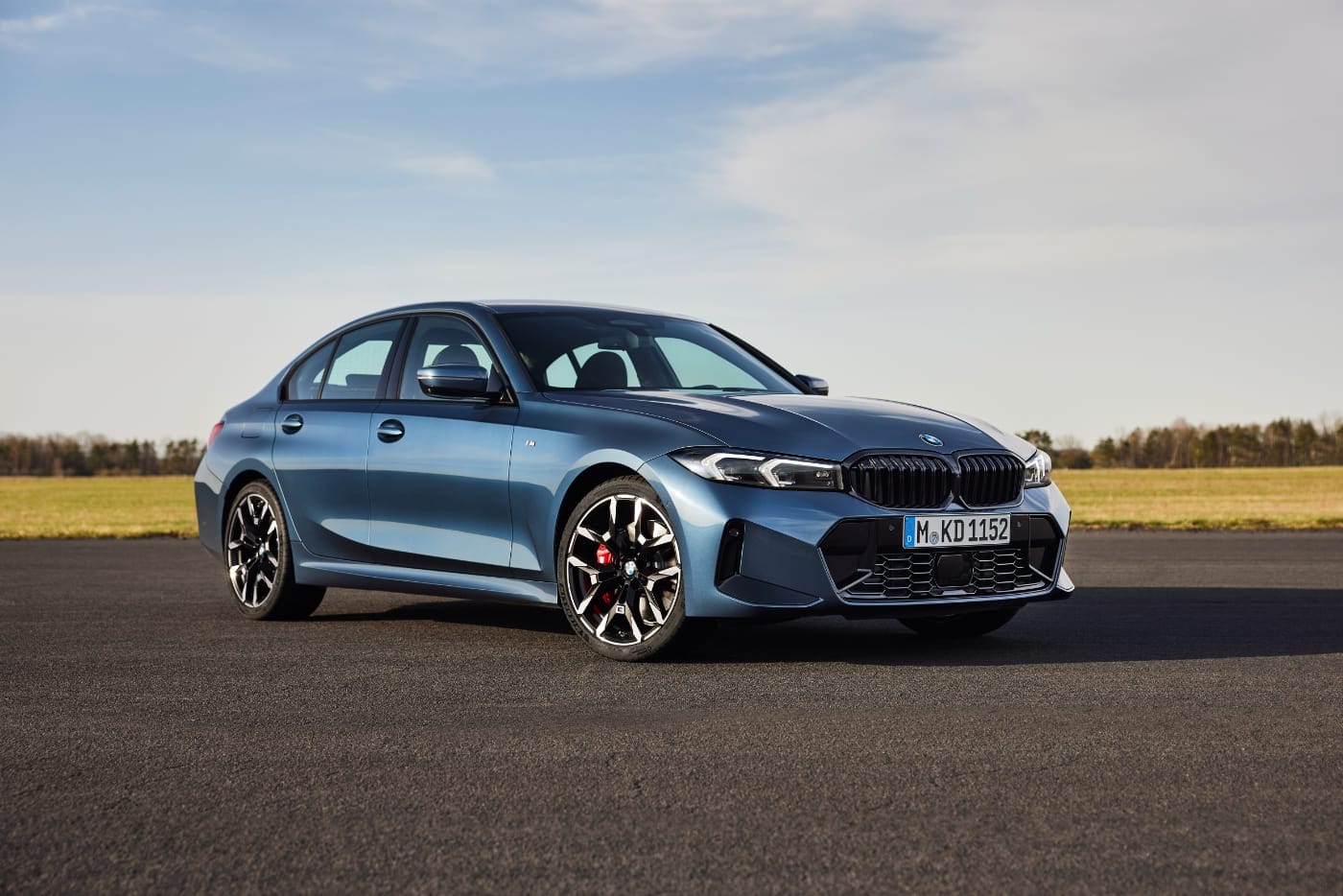
A significant driver of success has been investment: BMW calls the 3/4 Series “the essence” and “the heart” of its brand in its marketing and PR, and backs that up by continually improving the line. The current generation launched for the 2019 model year, received a mid-cycle refresh for 2023, and then got another refresh in 2025, along with incremental updates in the in-between years.
The 2023 refresh updated the front fascia and modernized the dashboard and interior tech. 2025’s changes improved both the 4-cylinder and 6-cylinder engines and iterated the interior design and technology to align it with changes being applied to the rest of BMW’s lineup. This is not a model line that sits still.
In parallel, and critically, the 3/4 Series is a case study in BMW’s broader approach to the EV transition. BMW CEO Oliver Zipse highlighted the company’s approach in a speech at the 2025 BMW Annual Meeting:
Technology openness means following the markets – because they evolve, and the pace of change varies…
Electric drivetrains, plug-in hybrids, highly efficient conventional drivetrains: No one has mastered technological diversity better than your company.
This means supporting multiple drivetrains simultaneously: BMW offers the broader 3/4 Series family with internal combustion powertrains, battery EVs, and—depending on market—plug-in hybrid variants. It is staying flexible to meet customer preferences and market and regulatory dynamics.
BMW’s EV counterpart in the broader 3/4 Series family has been the i4, launched in 2021 as a 2022 model. Car and Driver named i4 to their 2023 10Best list and recently completed a 40,000-mile long-term test.
The Car and Driver conclusion matches the overriding theme across i4 reviews—it’s an EV, but it’s still a BMW:
We began this test wondering whether the i4 xDrive40 could prove itself to be the genuine article, a true BMW in the mold of the company's most memorable sports sedans. After 40,000 miles and two-plus years, our answer is a definitive yes.
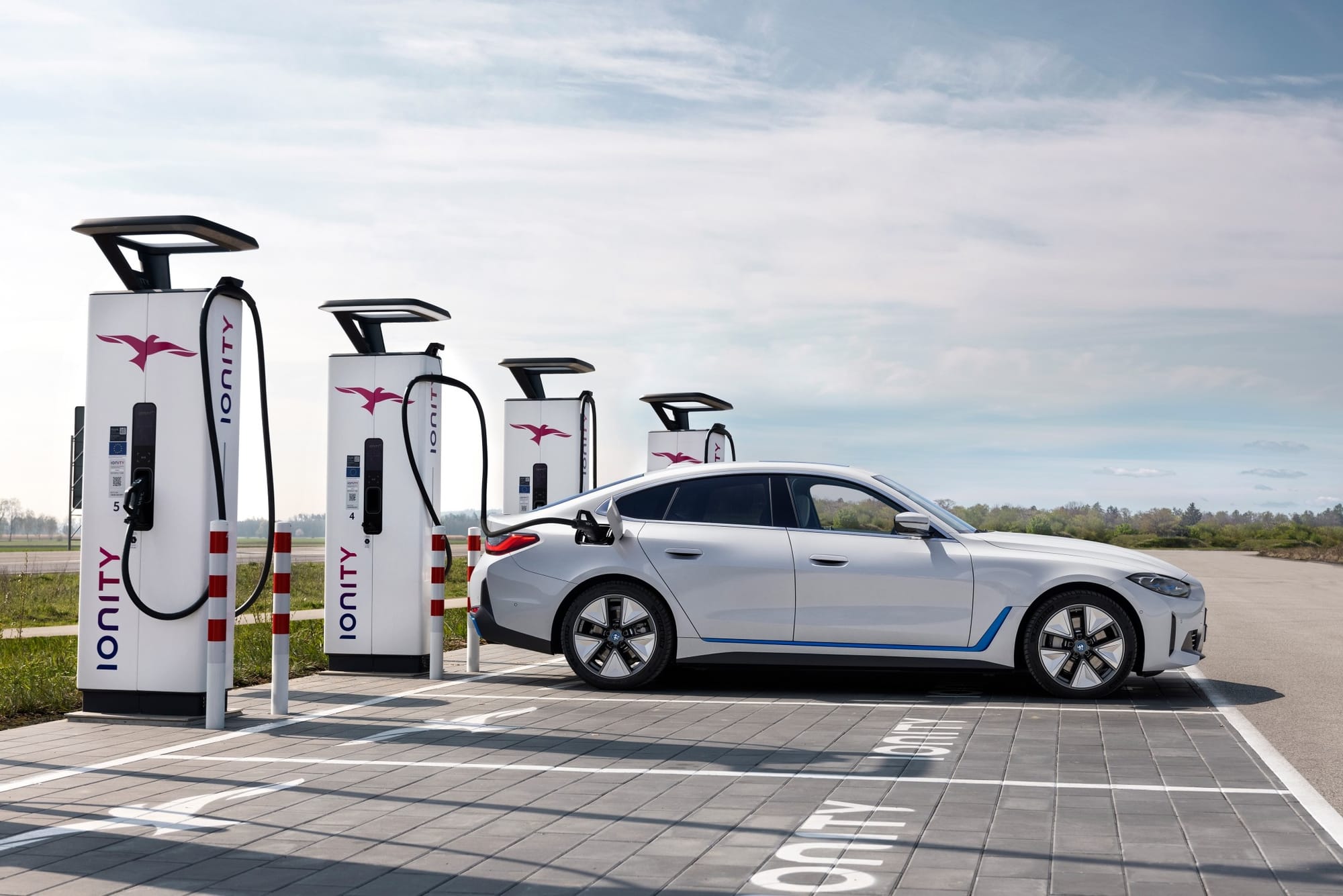
The i4 has steadily increased its share of 3/4 Series sales: in 2025, its third model year, the i4 comprised about 28% of 3/4 Series U.S. sales and made up roughly half of global 4 Series deliveries.
BMW has consistently maintained the relevance of the traditional 3/4 Series while cleanly introducing a complementary, viable, and increasingly popular EV option for customers who are ready to go or already prefer electric.
Enter the i3
Into this mix comes the i3, which will likely assume much of the role the i4 has played in the lineup over time. The remainder of the new 3 Series lineup is expected to start arriving later in 2026. (A new 4 Series is expected to follow at some point later.)
BMW’s i3 press release focuses most on how the i3 delivers on the historical promise of the 3 Series:
The BMW 3 Series is the essence of the BMW brand. For five decades, this icon has stood for sporty driving pleasure, unmistakably attractive design and consistent progress. A legacy to which every generation of the BMW 3 Series is committed. The new, fully electric BMW i3 enhances the familiar character of the BMW 3 Series with additional, unique features.
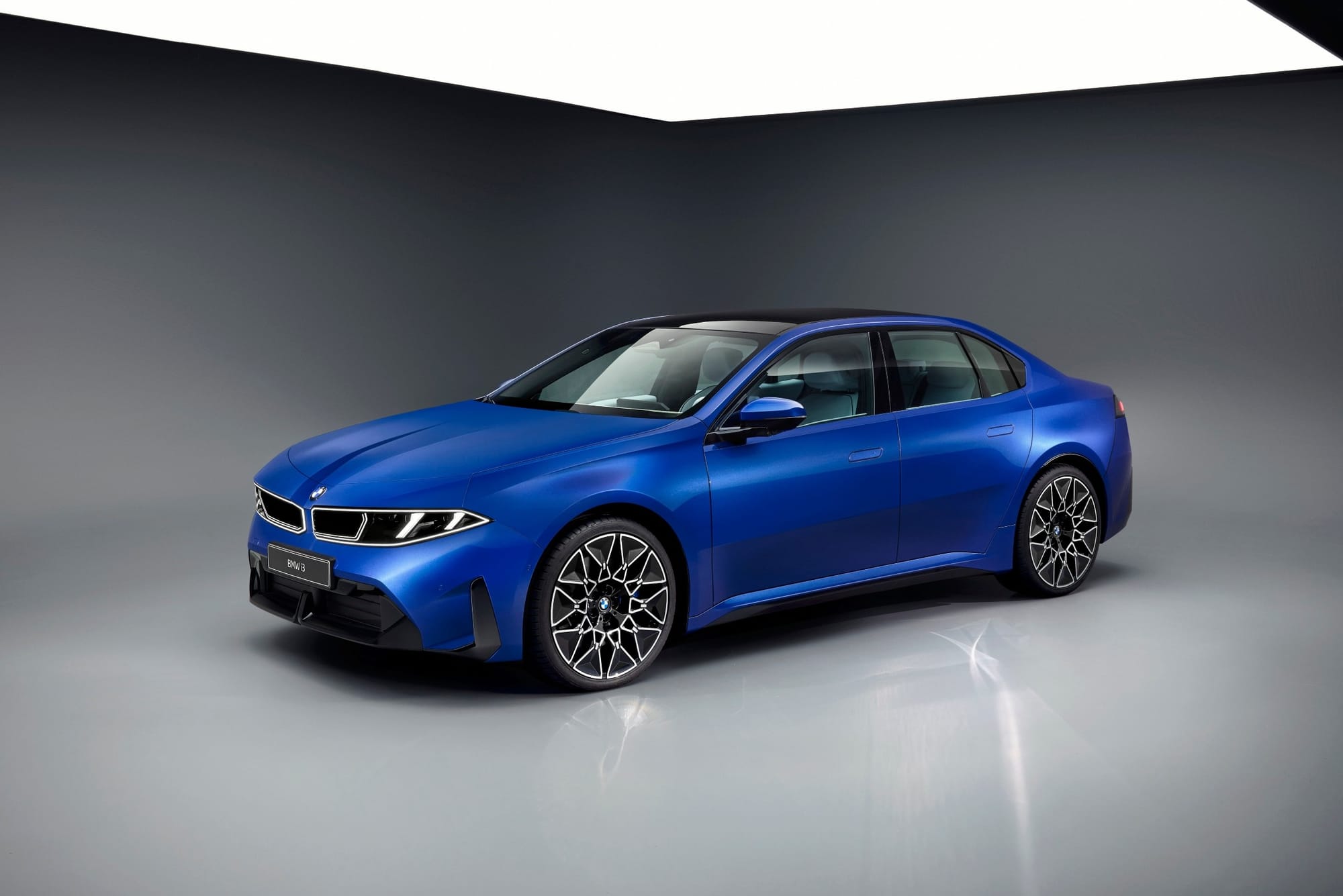
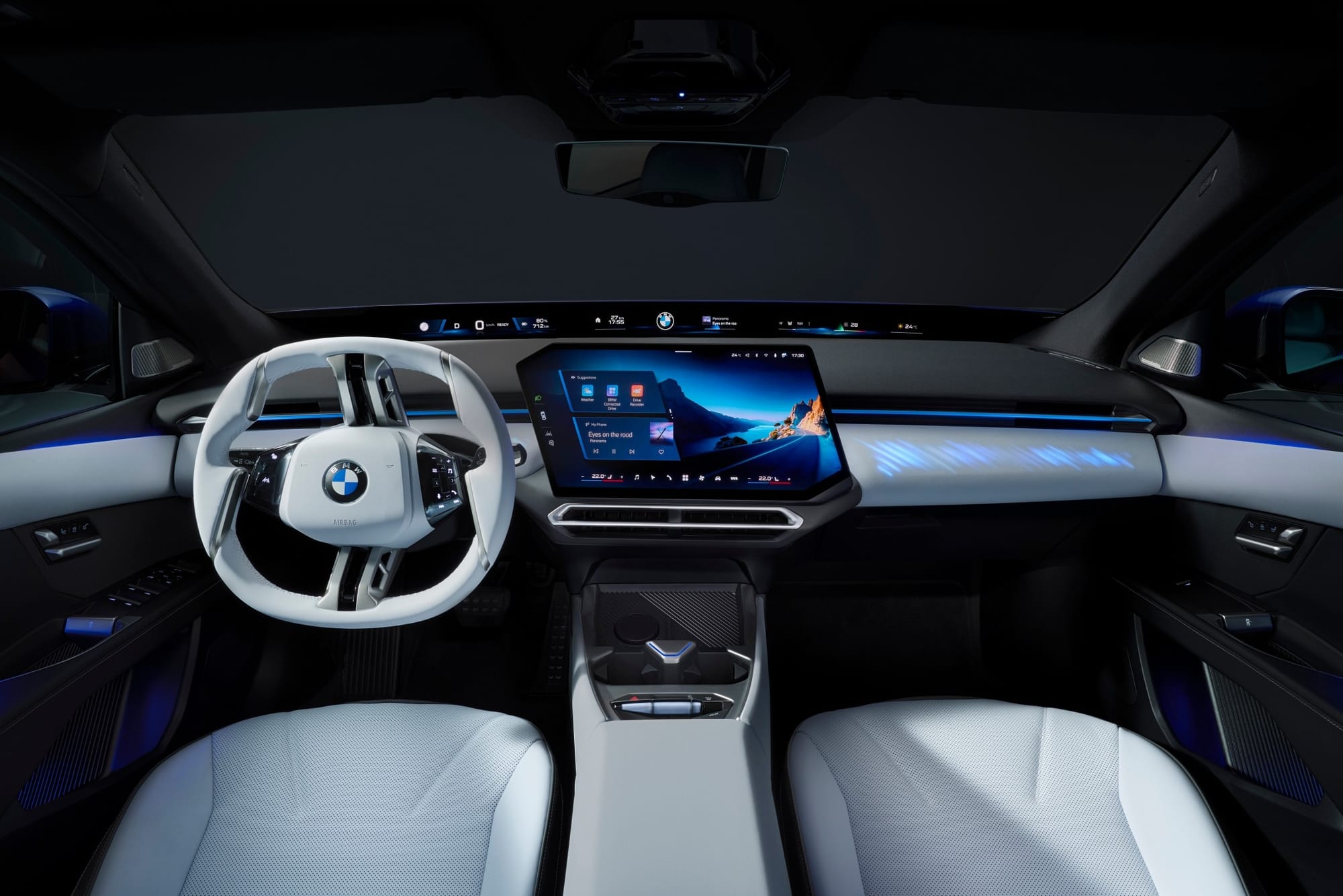
While the i3 is about as brand-new as a new model can be—fresh exterior design, a ground-up new technology platform underneath, and a completely rethought interior experience in Panoramic iDrive—“it’s still a 3 Series” comes through most strongly in the release.
This isn’t because there’s not a lot to say about the new technology and interior experience, but because most of it has already been said. The i3 shares its platform and a substantial amount of technology with the iX3—the EV version of the high-volume X3 luxury compact SUV line—that launched first. The i3 press release is noticeably shorter than the iX3 press release, which likely reflects the fact that BMW already used the iX3 launch to introduce much of the Neue Klasse technology now reaching the i3.
That the iX3 announcement can cover much of the explanatory work for the i3 speaks to how effectively BMW is scaling its new platform technologies across different model categories. Beyond BMW’s evident respect for the 3 Series and its legacy, from a pure dollars-and-cents perspective, the platform scale efficiencies bode well for its long-term health. If the cost to keep a smaller category alive is incremental, it strengthens the case to keep investing.
Holding Its Ground
What we seem to have is a car that looks compelling on its own and that snaps cleanly into the upcoming 3 Series lineup. BMW’s design intent is for each model line to be consistent and easy to decipher: exterior and interior designs are either nearly identical or closely related, allowing customers to focus more on choosing the powertrain that works best for them. The i3 EV and other upcoming 3 Series models, then, significantly modernize an already-working product within a broader lineup logic that is also already working.
BMW has continually nurtured an iconic name and kept the product relevant, helping the 3/4 Series hold roughly steady even as the compact luxury sedan segment around it shrinks. The sedan’s decline will almost certainly continue regardless of how strongly BMW executes, but the new i3 and larger 3 Series lineup make this corner of the market feel very much alive.