A New Kind of Rich Ferrari Owner
When expertise matters more than money
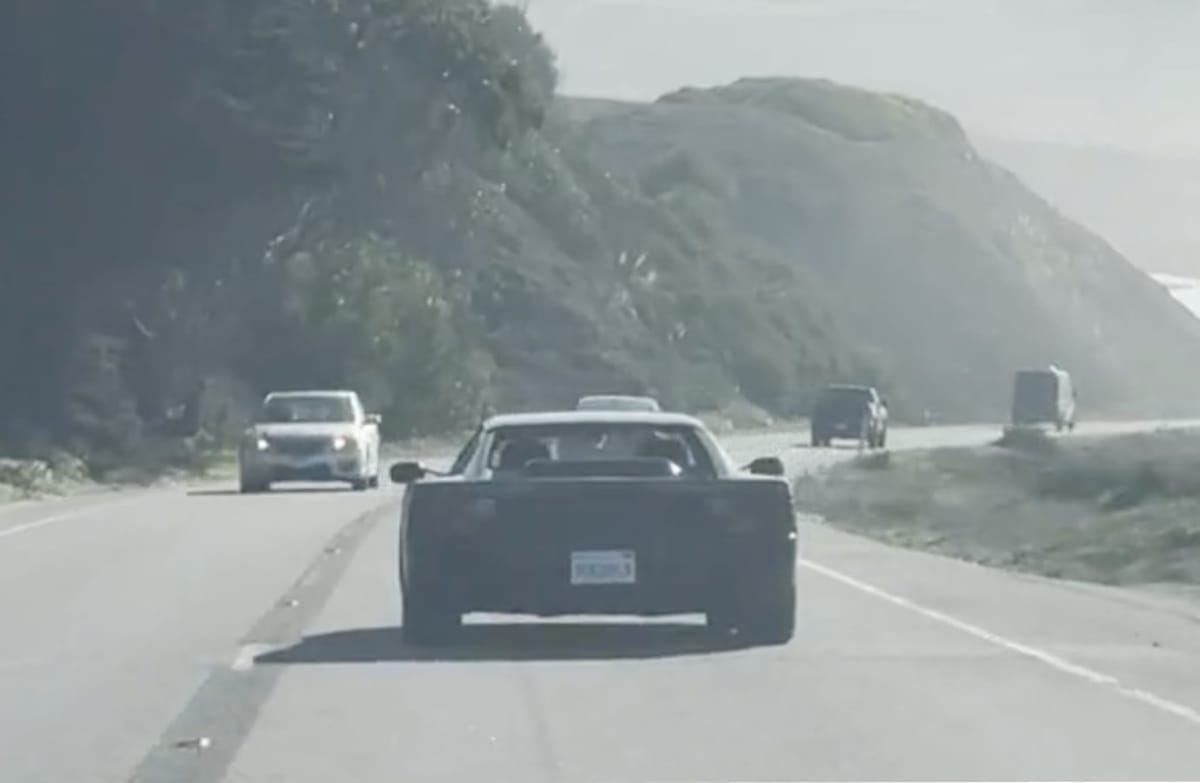
Jay Leno met with Victoria Bruno, a 32-year-old Ferrari mechanic, about the 1987 Ferrari Testarossa she “refreshed” (she rebuilt the brakes and did a full major service on it).
She plans to hold onto it for “as long as she’s around” and says she wants to put 100,000 miles on it.
This is not the profile of a typical Ferrari owner—many Ferraris aren’t daily driven and most are owned by rich folks.
Jay says her expertise is a currency that makes her a “rich Ferrari owner”:
You know, the fact that you are not a wealthy person, but you're a rich person because you can do tens of thousands of dollars worth of work on this car virtually for nothing. Something that would cost somebody else a huge amount of money—sixty, seventy thousand dollars— you can do for a few hundred dollars, basically…and that to me is the currency that makes you a rich Ferrari owner, because you have the ability to maintain your automobile.
Victoria’s expertise flips vintage Ferrari ownership on its head: a car that accumulated 12,000 miles over nearly four decades will now be regularly driven by someone not wealthy by traditional standards.
The Testarossa sat for most of the last 23 years—it was only driven about 2,000 miles in that time—and needed restoration mostly because it hadn’t been used. Victoria talks about how cars like this “need love to be running properly”—they have to be used to function. For a Ferrari like this, which is better: sitting untouched to “keep it new” or accumulating 100,000 miles under the care of someone like Victoria?
Victoria’s Testarossa is surviving not because it was protected, but because it’s being used. The non-use meant to preserve it was actually a form of slow neglect.
Mechanical cars reward engagement; digital cars may turn engagement into reliance rather than understanding. The more you use them, the more their functionality becomes tied to software, subscriptions, and remote services the owner cannot meaningfully repair, modify, or control.
Victoria’s vintage Ferrari is a reminder that a car’s longevity and its owner’s empowerment come from participation. The question for modern cars is whether they will allow that same kind of relationship—or gradually lose owner-facing viability as the services they depend on are discontinued.